The Fear of the Great Unknown: Vampires, Death, and Immortality
An Affliction Born from Pestilence and Despair…
What’s so Interesting About Vampires Anyway?
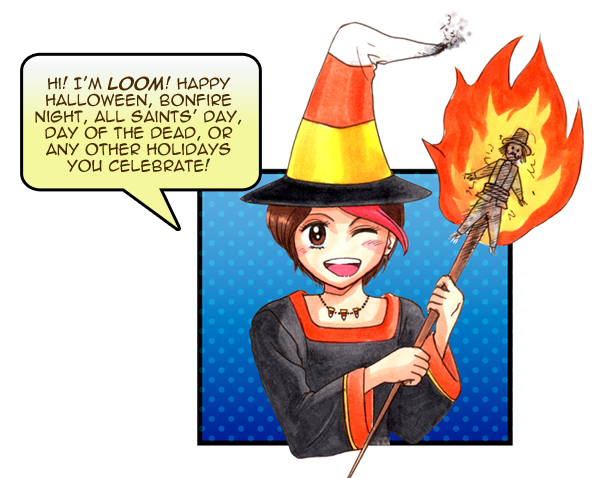
Hello, everyone! LOOM here. I’m the creator of Vampire Fetish in the Premium section of MangaMagazine.net. Let’s cut straight to the point! I get a lot of questions about vampires. What attraction could I possibly find in this tired old genre? Why do vampires resurface in our culture again and again, wearing new faces and hypnotizing audiences anew?
I’m a big lover of culture, mythology, and history. One day, the natural curiosity took over and I began to pore over folklore. I wasn’t just interested in vampires, but all creatures of the undead and all creatures that supposedly prey on human beings. I wanted to look not just for stories from Northeastern and Southeastern Europe, but to find all sorts of cultural accounts from all sorts of places. Revenants, vrykolakas, strigoi, you name it. Blood-sucking spirits go back as far as Mesopotamia. I find this interesting. It says something about how people fear death and darkness. It actually wasn’t until I took to history books and anthropological manifestos that I began to appreciate just how much our never-ending dance with the idea of vampires is tied up with our views of life and death itself.
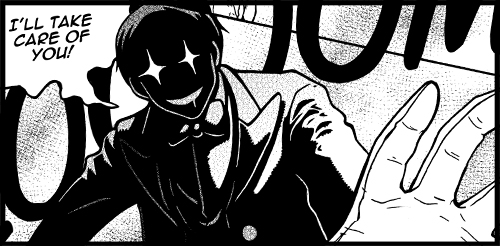
What IS it about vampires? They just won’t go away! Share your own thoughts in the comments!
When Fear Breeds Imagination: The Roots of the Modern Vampire
The underlying basis of tales of the dead rising up from the grave is the great fear of the unknown. People inherently fear death. This is why notions of the undead and fantasies of immortality have remained with us in our myths and stories for so many centuries. One of our oldest known stories, The Epic of Gilgamesh, features a king called Gilgamesh who, after losing his best friend Enkidu, seeks out a way to become immortal. Fear of death and fascination with immortality have been with us since our very earliest stories.
Vampires in their rawest forms originate from a very basic human emotion: fear. Fear controls us, enthralls us, limits us, and expands our imaginations. When we strip away the shiny facade of Hollywood and dig deep beneath the surface, we travel back in time to a place where we find ordinary circumstances paired with extraordinary fears. These fears spurred the myth of the vampire, a creature who crawls from the grave to hunt in the dead of night, taking the lives of loved ones and innocent passersby.
The mere notion of the creature rendered small villages frozen in fear and left them prone to hysteria. Disease was a common culprit. The spread of death due to contagion took a heavy toll on small, isolated villages. Contamination devastated families and at times truly made it seem as if the deceased were reaching back to claim their living family members one by one. Today, we may not always appreciate the paralyzing terror of disease outbreak, but I have a feeling if a serious outbreak were to occur worldwide, we would all remember quickly.
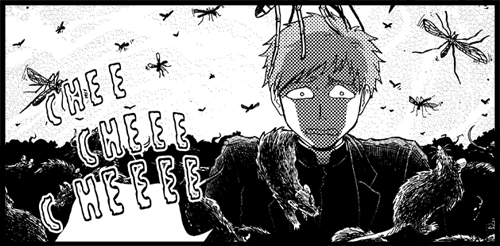
In times of commonplace plague, our fears were much more poignant than they are in today’s world. Do you think we take modern medical advancements for granted?
Fending Off the Fiend: Vampire Repellent & Killing Techniques
Over time, a variety of interesting tactics were contrived to combat these creatures of the undead. Villagers would dig up bodies and stake them with sharp materials shaped from pure, sweet-smelling wood or plant materials. These materials might have included the sharp thorns of the hawthorn branch or the strong wood of the ash tree. Strong-smelling substances like garlic were favored to “keep away the undead.” The reason for this is obvious: strong smelling substances combat the foul odor of death and decay.
When bodies were suspected of vampirism, they were dug up and inspected for signs of it: suppleness, robustness, swelling, and a dark black or red tinge to the skin. If deemed a vampire, the body would be staked, but the body-red, swollen, and rotting with gaseous decay-would often shriek when pierced. Although the sound may have been a natural phenomenon caused by the release of gases and fluids, it must have been indescribably terrifying for the poor blokes carrying out the deed.
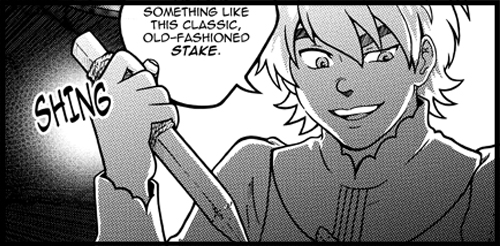
Stakes are a classic weapon used against vampires. Originally, stakes and sharp thorns were thought to “bind” a vampire to his grave and prevent him from walking at night.
Now and Then: What Vampires Mean to Us
When we read very old accounts from the sixteenth century and earlier, we’re struck by how silly some of these “vampire accounts” sound to modern ears. But it bears remembering that times have changed. Fears have changed. We now know so much more than our friends and families did long ago.
That’s not to say that many of the old notions aren’t outlandish. It can at times be tempting to imagine these outrageous claims as real. For example, many vampires in older tales are defeated by being occupied with mundane tasks, like counting rice grains or untying knots.
In the case of the German Nachzehrer,the creature’s hands are decayed and look eaten away, so according to the folk tale, he must have gnawed off his hands while he slept in the grave. In Norway, some inhabitants thought, “There is noise pelting the roof outside my home, so the vampire must be stomping on it. ” Quite a scapegoat, that old vampire! One can see that, if judging the vampire alone, he may at times seem horrifying, but he may also at times seem to be suffering from a bad case of obsessive-compulsive disorder!
For me, it was this point I seized upon for writing. It’s not a far jump to attribute the behaviors of folkloric vampires and related creatures of the undead to manias. What if, I thought. What if the trauma of death twisted these beings so much that they developed strange ticks? That leaves a lot of room for comedy and horror. They become at once pitiable and more formidable, desperate to reach whatever goals they fixate upon. Have you ever tried to talk to someone who is truly insane? You don’t easily get through to them like you do in the movies. There is something unsettling and heartbreaking about that.
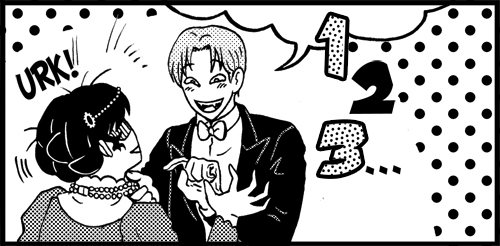
Vampires can be distracted by mundane tasks…like counting. Does it make anyone think of The Count from Sesame Street? I wonder if the creator of that meant it as a pun on The Count’s title of nobility or an allusion to traditional vampires? What do you think? Share your thoughts with me!
This Won’t Cover Even a Fraction of What’s Out There on Vampires…
I hope you enjoyed this small sampling of vampire mythology. The myths and legends are loads of fun to dive into, but be wary of the many entanglements and contradictions you will inevitably find. There are literally hundreds upon thousands of versions of the undead, swirling around and around and crossing over with witches, werewolves, and ghosts. And of course, depending on the context, country, and time period, the very fears that birthed vampire legends change over time, and these fears morph into new monsters with new faces and new identities. The modern vampire has expanded to encompass not only fear, but also the grotesque, the exciting, the sexual, and the forbidden. He has even been humanized in many stories.
That’s all I have for today. I hope you’ll come visit me sometime! I do love to chat. Happy Halloween, Have a Safe Bonfire Night, and most of all, Happy Comicking! May you reach for the stars and find inspiration in even the smallest moments!
All my love,
LOOM
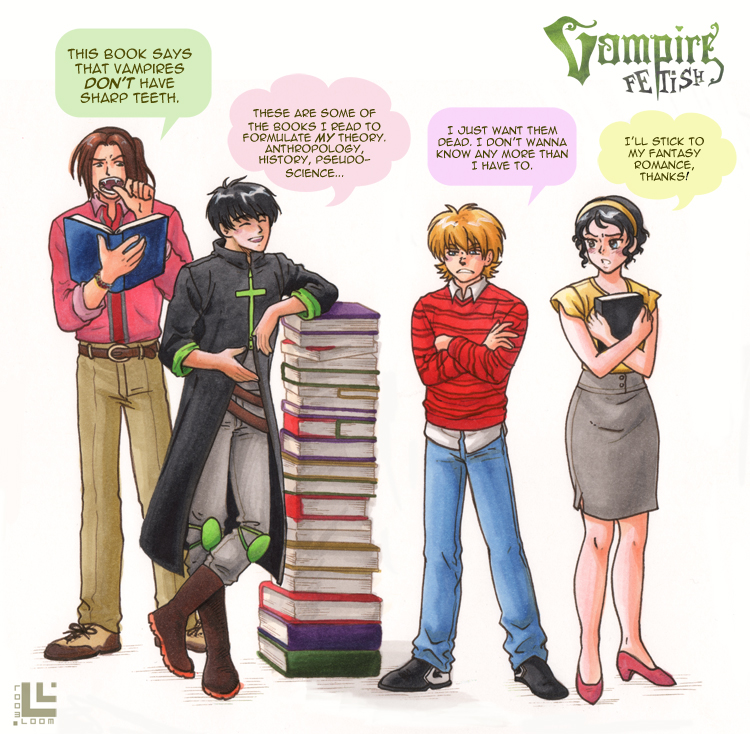
About LOOM
LOOM is an independent comic creator and lover of all things comics. She writes and draws the YA Urban Fantasy comic Vampire Fetish here at MangaMagazine.net and assists in running the club Manga-Apps.
- Web |
- More Posts (1)
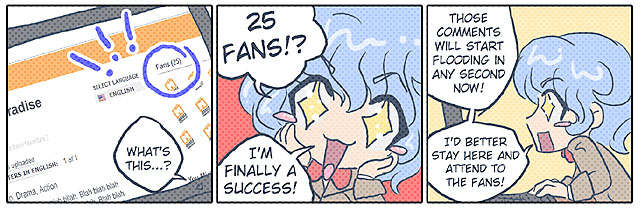 Or, that’s how it’s supposed to work.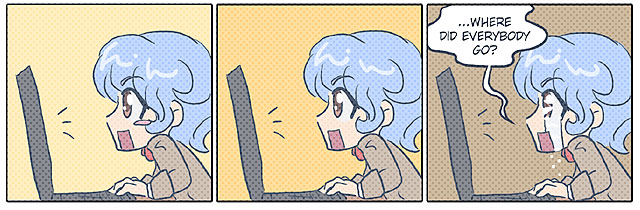

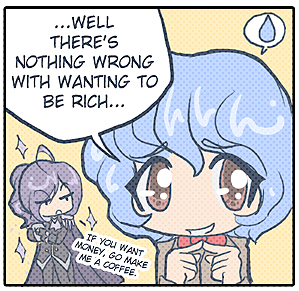 If the answer is the latter, this may not be the hobby for you. But if the answer is the former, then you owe it to yourself and your potential readers not to let the numbers get in the way of delivering the best work you possibly can. To get anywhere, you need to get past your insecurities, and get on with the job.